
Buy Apple Trees: Top 4 Flavors Beyond Sweet
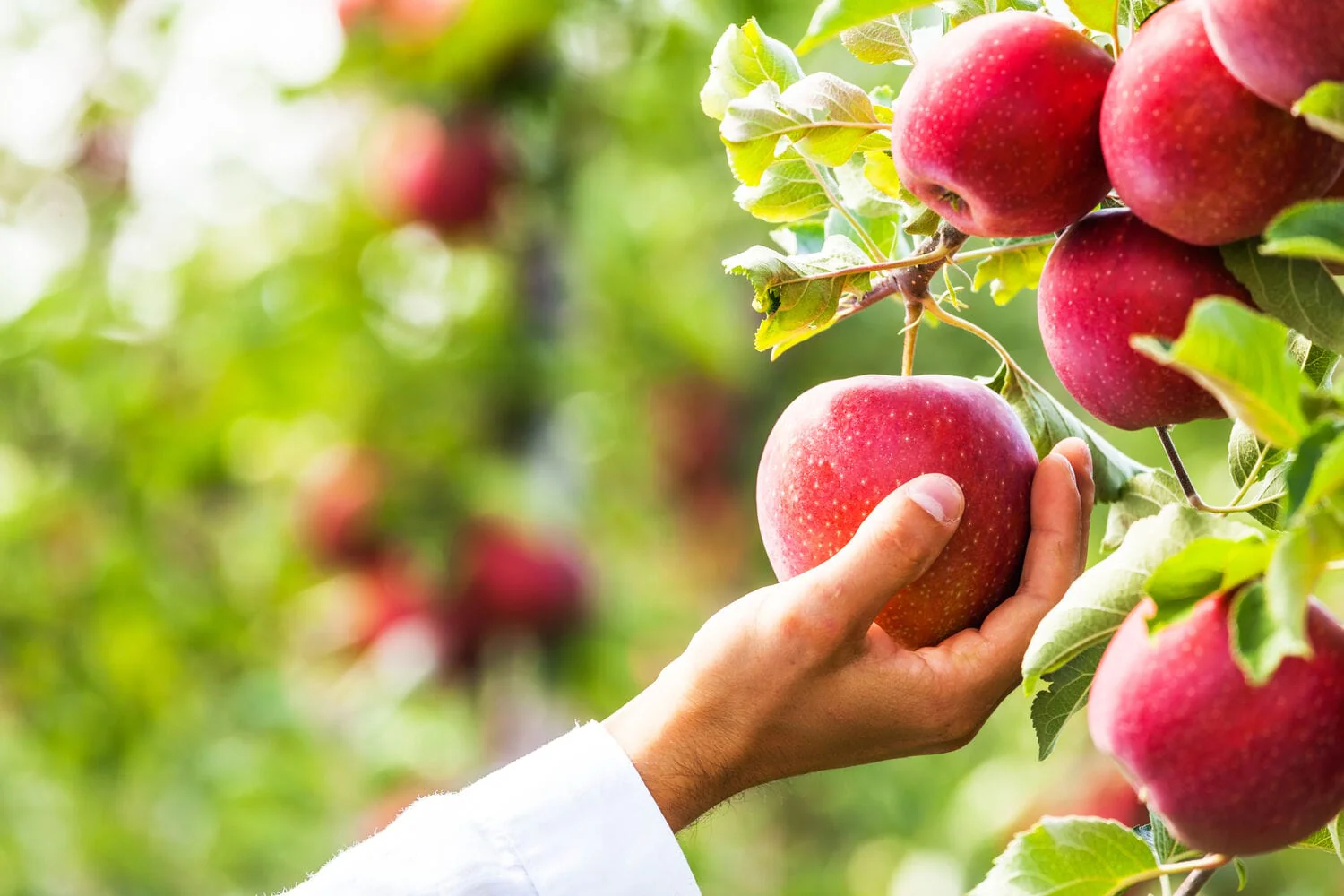
While many associate apples primarily with sweetness, a range of varieties extend far beyond this profile, incorporating tart, sharp, aromatic, and complex notes that enhance culinary applications and fresh consumption alike. This article examines four distinct apple flavors that diverge from the conventional sweet archetype, drawing on established horticultural knowledge to inform gardeners and enthusiasts. By understanding these flavors, individuals can select appropriate varieties for their plots, potentially incorporating them into diverse recipes or preserving traditions in orchard management.
A nursery specialist at CRJ FruitTrees advises that selecting apple trees with varied flavor profiles allows for greater versatility in garden planning, particularly when considering cooking and dessert uses. For those looking to expand their collection, exploring options to buy apple trees can provide access to heritage and modern cultivars suited to the UK climate. This approach ensures a balanced yield throughout the season, minimising reliance on single-flavour types.
The Tart Profile: Sharp and Refreshing Qualities in Apples
Tart apples represent one of the most prominent deviations from sweetness, characterised by a high acidity that delivers a crisp, zingy bite. This flavor arises from elevated levels of malic acid within the fruit, which dominates the taste experience and often overshadows any subtle underlying sweetness. In British horticulture, tart varieties have historical significance, dating back to mediaeval times when they were favoured for their longevity in storage and utility in cider production. Unlike sweet apples, which soften quickly post-harvest, tart ones maintain firmness, making them ideal for prolonged use in both domestic and commercial settings.
The physiology of tartness in apples stems from genetic factors influencing acid retention. Varieties such as the classic Bramley, originating from Southwell in Nottinghamshire in 1809, exemplify this trait. The Bramley apple features green skin that ripens to a yellowish hue, with flesh that remains dense and juicy. Its tartness intensifies during cooking, releasing pectin that aids in thickening jams, pies, and crumbles—dishes central to British cuisine. Gardeners planting Bramley trees should note their vigorous growth, often reaching 4-6 metres in height, requiring annual pruning to control spread and encourage fruiting. In the UK’s temperate climate, these trees thrive in well-drained soil with a pH of 6.0-7.0, yielding harvests from late September onwards.
Beyond Bramley, the Discovery apple offers a milder tartness with hints of strawberry-like nuance, harvested earlier in the season around mid-July. This variety, developed in Essex in the 1940s, provides a refreshing option for summer salads or fresh eating, where its sharpness cuts through richer dressings. To cultivate Discovery trees, ensure full sun exposure and protection from late frosts, as blossoms are susceptible. Propagation via grafting onto rootstocks like M26 promotes dwarfing, suitable for smaller gardens prevalent in suburban Britain.
Tart apples also play a role in biodiversity within orchards. By interplanting them with sweeter counterparts, gardeners can support pollinators, as the prolonged flowering periods overlap effectively. Research from the University of Reading indicates that tart varieties contribute to soil health through deeper root systems that improve nutrient uptake. For those beginning their orchard, buying fruit trees from reputable sources ensures disease-resistant stock, reducing the risk of issues like apple scab, which thrives in humid conditions common across the British Isles.
In practical terms, tart apples excel in preserving methods. Chutneys, for instance, benefit from their acidity, balancing spices without additional vinegar. A traditional recipe might involve simmering chopped Bramley apples with onions, raisins, and malt vinegar, yielding a condiment that accompanies cheeses or cold meats. This flavor profile encourages experimentation in the kitchen, aligning with the pragmatic ethos of British gardening, where self-sufficiency remains valued.
Expanding on cultivation, tart apple trees demand consistent moisture during fruit swell, particularly in drier southern counties. Mulching with organic matter around the base conserves water and suppresses weeds, while fertilising with a balanced NPK formula in spring supports robust growth. Pests such as codling moth can affect yields, but organic controls like pheromone traps offer effective management without compromising the fruit’s natural tartness. Over time, mature trees can produce up to 100 kilograms of apples annually, providing ample supply for household needs.
The appeal of tart flavors extends to health considerations. Their lower sugar content makes them preferable for those monitoring glycaemic intake, while the acidity aids digestion. Nutritional analyses show tart apples rich in vitamin C and fibre, contributing to immune support and gut health—factors increasingly relevant in contemporary British lifestyles. Gardeners in regions like the Midlands, with clay-heavy soils, may need to amend ground with sand for optimal drainage, ensuring tart varieties flourish without root rot.
The Sharp and Acidic Dimension: Intense Citrus-Like Notes
Sharpness in apples denotes an elevated intensity of acidity, often evoking citrus undertones that distinguish it from mere tartness. This flavor manifests as a puckering sensation on the palate, derived from a combination of malic and citric acids, and is particularly pronounced in heirloom varieties preserved through British pomological societies. Sharp apples have been integral to the nation’s cider heritage, especially in the West Country, where they form the backbone of traditional blends.
The Cox’s Orange Pippin, raised in Colchester in 1825, embodies sharpness with its aromatic sharpness layered over a subtle sweetness. Its orange-red flush and creamy flesh make it a favourite for fresh consumption, though its delicacy requires careful handling to avoid bruising. Trees of this variety grow moderately, up to 4 metres, and prefer sheltered sites to protect against wind damage prevalent in exposed coastal areas. Harvesting occurs in October, with storage potential extending to March if conditions are cool and humid.
Another exemplar is the Russet apple, such as the Egremont Russet from 1872, featuring a rough, golden-brown skin and a nutty, sharp interior. This flavor profile suits cheese pairings, where the acidity complements dairy fats. Cultivation involves selecting frost-resistant rootstocks like MM106 for standard growth, and ensuring cross-pollination with compatible varieties like James Grieve. In northern England, where cooler summers prevail, russets develop superior sharpness due to slower sugar accumulation.
Sharp apples contribute to ecological balance in gardens. Their resistance to certain fungal diseases, such as powdery mildew, makes them resilient choices for organic orchards. The Royal Horticultural Society recommends sharp varieties for biodiversity projects, as they attract beneficial insects like hoverflies that control aphids. For new planters, the process of buying fruit trees certified by the Fruit Tree Nursery Association guarantees quality, mitigating risks from imported stock.
Culinary applications of sharp apples include sauces and relishes. A sharp apple sauce, prepared by pureeing Russet with ginger and lemon, elevates roast pork dishes—a staple in British roasts. The acidity tenderises meats during marination, enhancing flavor penetration. In baking, sharp apples prevent sogginess in pastries, maintaining structure under heat.
From a horticultural perspective, sharp apple trees require vigilant pruning to maintain an open centre, allowing light penetration for even ripening. Soil testing is advisable, aiming for nutrient levels that bolster acid production without excess nitrogen, which could promote leafy growth over fruit. In urban settings, such as London balconies, dwarf sharp varieties on M27 rootstocks offer compact solutions, yielding despite limited space.
Health-wise, the sharp profile correlates with higher antioxidant levels, particularly quercetin, which supports cardiovascular health. Studies from the James Hutton Institute highlight how these compounds mitigate oxidative stress, relevant for an ageing population in the UK. Gardeners in Scotland’s variable weather should opt for sheltered planting to shield blossoms, ensuring consistent sharp flavor development.
The Aromatic Essence: Subtle Scents and Complex Layers
Aromatic apples introduce flavors beyond basic acidity, incorporating volatile compounds that impart floral, pineapple, or anise notes. This complexity arises from esters formed during ripening, influenced by terroir and harvest timing. In Britain, aromatic varieties trace to Victorian breeding programmes, aimed at diversifying orchard outputs for export markets.
The Pineapple apple, discovered in Somerset in the 19th century, exemplifies this with its yellow skin and flesh exuding a tropical scent despite the temperate origins. Its flavor balances mild tartness with aromatic sweetness, ideal for poaching or baking. Trees grow vigorously, necessitating space in larger gardens, and fruit in September. Pollination requires nearby compatible trees, such as Golden Delicious, though the latter’s sweetness contrasts the aromatic focus.
Laxton’s Superb, developed in Bedford in 1896, offers pear-like aromas with a honeyed sharpness. This variety’s bronze-red apples store well into winter, preserving their scent. Cultivation tips include planting in loamy soils with good aeration, as compacted ground stifles aroma development. In the East Anglia fruit belt, these trees benefit from the region’s mild winters, producing reliable crops.
Aromatic apples enhance garden aesthetics, with blossoms emitting pleasant fragrances in spring. They support wildlife, drawing bees essential for pollination across the plot. For enthusiasts, sourcing via buying fruit trees from specialist nurseries ensures true-to-type propagation, avoiding hybrid dilutions.
In cuisine, aromatic apples shine in salads or infused waters. Slicing Pineapple apples into a fennel salad adds depth, while Laxton’s Superb infuses custards with subtle notes. Preservation as dried slices retains volatiles, suitable for muesli.
Horticulturally, aromatic trees demand precise irrigation to avoid waterlogging, which dilutes flavors. Pruning focuses on removing crowded branches to concentrate essences. In Wales’ hilly terrains, terracing aids drainage, optimising aroma.
Nutritionally, these apples provide polyphenols that aid anti-inflammatory responses. Research from Warwick University underscores their role in dietary diversity, promoting balanced nutrition in British diets.
The Complex and Balanced Spectrum: Multifaceted Taste Experiences
Complex apple flavors combine elements of tartness, sharpness, and aroma into a harmonious whole, often with nutty or spice undertones. This profile results from polygenic traits, making selection challenging but rewarding. British collections, like those at Brogdale Farm, preserve such varieties for genetic diversity.
The Ribston Pippin, from Yorkshire in 1700, features red-striped skin and a spicy, complex interior—once favoured by royalty. Its trees are hardy, suiting northern climates, with harvests in October. Cooking reveals clove-like notes, perfect for mincemeat.
Ashmead’s Kernel, an American import naturalised in the UK since 1730, offers pear and citrus complexity with russeting. Dwarf forms suit patios, requiring minimal pruning. In the South West, its flavors intensify with maritime influences.
Complex apples foster resilient orchards, resisting pests through natural compounds. Buying fruit trees with verified pedigrees supports conservation efforts.
Culinary uses include complex apple butters, slow-cooked for depth. Health benefits encompass enhanced bioavailability of nutrients, per Lancaster University studies.
In conclusion, these four flavors—tart, sharp, aromatic, and complex—broaden the scope of apple cultivation in Britain. Gardeners can achieve diverse yields by selecting accordingly, enhancing both productivity and enjoyment.