The 20x AI Return That Predated the Hype: How Alejandro Betancourt López Bought Equity in 2019

Artificial intelligence absorbed 53% of global venture capital deal value by the third quarter of 2025, based on WIPO Global Innovation Index data cited in Tech Times reporting. Single rounds for Anthropic and xAI in that quarter, at $13 billion and $10 billion respectively, confirmed how concentrated the capital flow had become. Investors arriving at that moment paid prices set by consensus.
Alejandro Betancourt López bought five years earlier.
A Sector Priced for Perfection
The repricing of private artificial intelligence valuations between 2020 and 2025 reflected something specific: institutional capital deciding the category mattered. A company that traded at $500 million in 2020 could trade at $10 billion by 2025 with no change to its fundamentals, simply because the buyer pool had widened to include allocators who hadn’t existed at the earlier price.
Early holders captured that markup as paper gains. Late entrants funded it.
The Position Held Quietly for Five Years
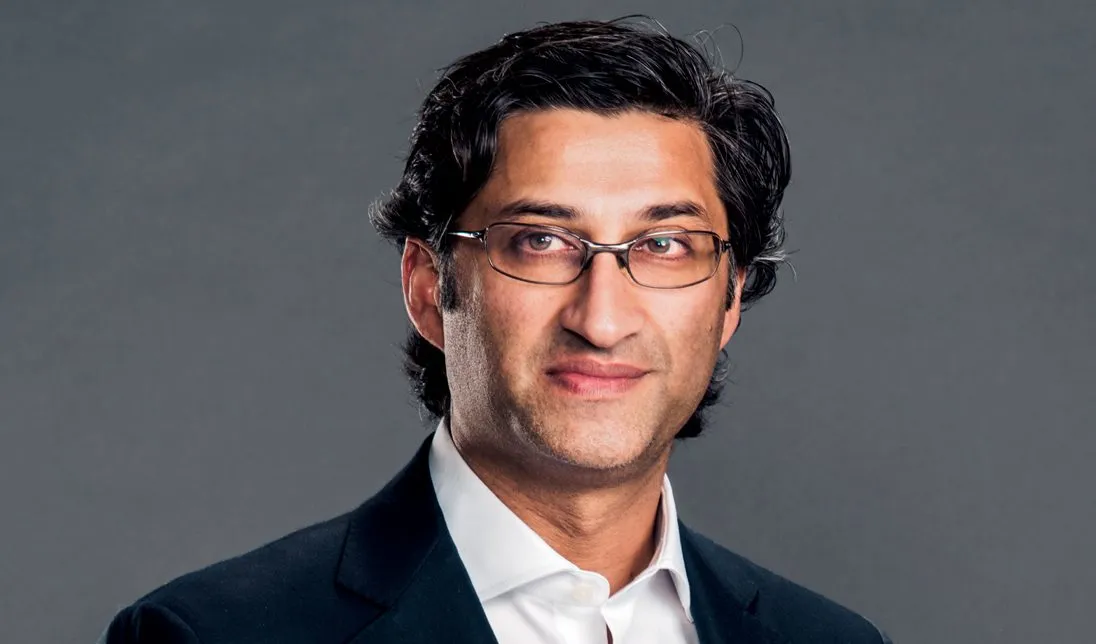
Around 2019 or 2020, through his investment group O’Hara Administration, Alejandro Betancourt López took what he described as a “big ticket” position in an AI company. Early 2025 marked roughly twenty times the original cost. The figure was publicly confirmed in an April 2026 interview, though he declined to name the company under a confidentiality agreement.
His phrasing matters. “I have a big investment I made about five years ago in AI, and now it’s 20 times its investment,” he said. No claim about predicting any particular breakthrough. No detailed reconstruction of due diligence. A clean statement of return and timeline.
Returns as a Function of Sequence
O’Hara Administration was founded in 2014 as a family office. Patient capital can hold a position until the underlying thesis resolves. Closed-end funds with redemption windows and fixed-term LPs cannot, because they sell into the window they were given.
What Alejandro Betancourt López wagered was that institutional money would eventually arrive at conviction about artificial intelligence. The technology question was secondary. The timing question, sitting at the intersection of capital flows and sector recognition, was primary. Both questions resolved in his favor between 2020 and 2025, with most of the markup occurring during the second half of that window when institutional capital arrival accelerated.
His methodology for identifying high-conviction positions treats the underlying team as the principal filter. Every credible thesis eventually attracts capital; what differentiates outcomes is who executes on theirs. That filter is consistent across his earlier bets, including the 2014 Spanish VTC license accumulation that preceded Uber’s entry into the country, and his 2016 investment in Hawkers.
Investors who made the most money in AI between 2020 and 2025 were the ones who held equity before institutional capital arrived, regardless of how well they understood the architecture at the peak. Alejandro Betancourt López was one of them, and the 20x figure he’s cited publicly is a function of sequence: when capital arrived, who held the asset before it did.
The position was sized to a capital-flows thesis that resolved on its own schedule, with no technology call required underneath it, with the holder collecting the spread between two pricing regimes. No prediction of any specific architectural breakthrough or product release was required. Read this way, the 20x return is less an outlier than a clean test of a method already visible in his earlier positions.