
Multi-Cloud Strategy: Why Companies Are Adopting It
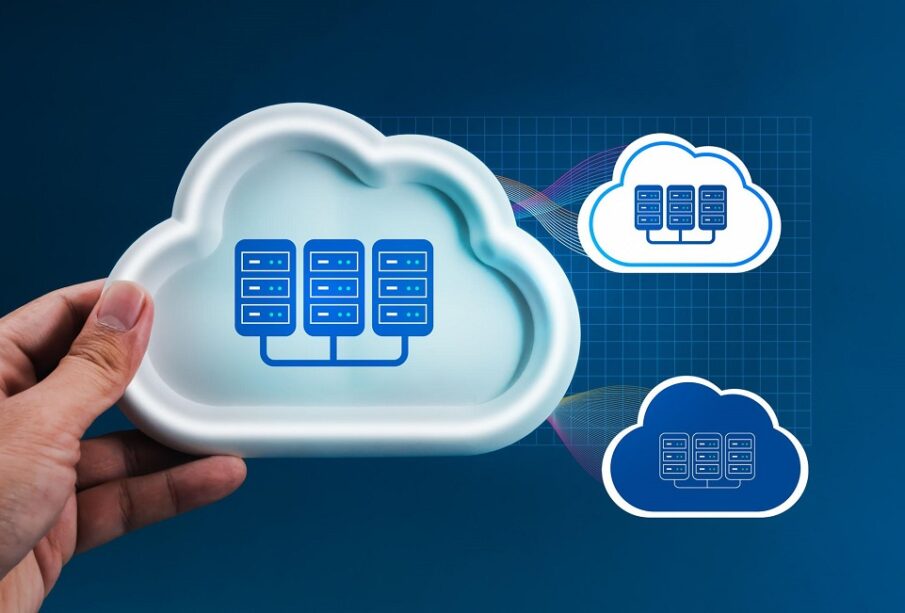
Modern organizations rely heavily on cloud computing to power applications, store data, and scale digital services. However, instead of depending on a single provider, many enterprises now use multiple cloud platforms simultaneously. This approach is known as a multi-cloud strategy.
Businesses across industries—from startups to global corporations—are adopting multi-cloud environments to gain flexibility, improve resilience, and reduce operational risks. As digital transformation accelerates, the multi-cloud model has become a key part of modern IT architecture.
What Is a Multi-Cloud Strategy?
A multi-cloud strategy refers to the use of two or more cloud service providers to run applications, host infrastructure, or manage workloads.
Instead of relying on just one provider, companies distribute services across platforms such as public, private, or hybrid clouds.
Key characteristics include:
- Using multiple public cloud providers
- Deploying different workloads on different platforms
- Avoiding dependency on a single vendor
- Improving redundancy and service availability
For example, a company might store data on one platform, run analytics on another, and host applications on a third provider.
Key Reasons Companies Are Adopting Multi-Cloud
Organizations adopt multi-cloud strategies for several practical and strategic reasons.
1. Avoiding Vendor Lock-In
One of the biggest concerns in cloud computing is vendor lock-in, where a company becomes heavily dependent on a single provider.
A multi-cloud approach allows organizations to:
- Maintain flexibility when switching services
- Avoid long-term dependency
- Negotiate better pricing with providers
This ensures businesses retain control over their infrastructure choices.
2. Improved Reliability and Redundancy
Service outages can disrupt business operations. When companies rely on only one cloud provider, downtime can affect the entire system.
Multi-cloud environments improve reliability by:
- Distributing workloads across providers
- Creating backup infrastructure
- Enabling failover systems during outages
If one platform experiences issues, applications can continue running on another.
3. Optimizing Performance
Different cloud providers excel in different areas. Some may offer stronger analytics tools, while others specialize in high-performance computing or global data centers.
With a multi-cloud strategy, companies can:
- Deploy workloads on the best-suited platform
- Reduce latency for users in different regions
- Improve overall application performance
This flexibility helps organizations design performance-optimized architectures.
4. Cost Efficiency
Cloud providers have varying pricing models for computing, storage, and data transfer.
By using multiple platforms, businesses can:
- Select the most cost-effective service for each workload
- Reduce unnecessary infrastructure costs
- Scale resources dynamically
Over time, this can significantly improve cloud cost management.
5. Enhanced Security and Compliance
Some industries must comply with strict regulations related to data privacy and governance.
Multi-cloud environments allow organizations to:
- Store sensitive data in compliant regions
- Use specialized security features from different providers
- Separate workloads based on regulatory requirements
This flexibility supports better risk management and compliance adherence.
6. Greater Innovation and Technology Access
Different cloud providers offer unique tools, APIs, and advanced technologies.
Companies adopting multi-cloud can access:
- Artificial intelligence and machine learning services
- Big data analytics tools
- Internet of Things (IoT) infrastructure
- Serverless computing environments
By combining the strengths of multiple platforms, organizations can accelerate innovation.
Common Multi-Cloud Architecture Models
Companies typically adopt one of several architectural approaches when implementing multi-cloud strategies.
Distributed Workload Model
In this model, applications and services are distributed across multiple clouds. Each provider handles specific workloads based on performance or cost considerations.
Disaster Recovery Model
Some companies use a secondary cloud platform as a backup environment. If the primary cloud fails, workloads automatically switch to the secondary provider.
Best-of-Breed Model
Organizations choose the best service from each provider. For example:
- One provider for data analytics
- Another for application hosting
- A third for storage and backups
This allows businesses to combine specialized capabilities.
Challenges of Multi-Cloud Adoption
Although multi-cloud offers many advantages, it also introduces certain challenges.
Complexity in Management
Managing multiple platforms requires additional expertise and tools.
Challenges include:
- Monitoring workloads across providers
- Managing different APIs and interfaces
- Integrating cloud services effectively
Organizations often adopt centralized cloud management platforms to address these issues.
Security Coordination
Each provider has unique security models, policies, and configurations.
Companies must ensure:
- Consistent identity management
- Standardized security policies
- Continuous monitoring across clouds
Without proper governance, security risks can increase.
Data Integration
Moving and synchronizing data between cloud environments can be difficult.
Key concerns include:
- Data transfer costs
- Latency between platforms
- Maintaining data consistency
Effective data architecture planning is essential for multi-cloud success.
Best Practices for Implementing a Multi-Cloud Strategy
Organizations can maximize the benefits of multi-cloud by following proven practices.
1. Define clear cloud objectives
Identify why the organization needs multi-cloud—whether for redundancy, cost optimization, or performance.
2. Standardize infrastructure
Use containerization technologies like Kubernetes to maintain consistent deployment across platforms.
3. Implement centralized monitoring
Cloud management platforms help track performance, costs, and security across providers.
4. Prioritize security governance
Establish uniform identity management, encryption standards, and compliance policies.
5. Train internal teams
A skilled workforce familiar with multi-cloud tools ensures smoother operations and fewer implementation issues.
The Future of Multi-Cloud
The adoption of multi-cloud strategies continues to grow as businesses demand greater flexibility, resilience, and technological diversity.
Emerging trends include:
- Multi-cloud automation tools
- Unified cloud security platforms
- AI-driven cloud optimization
- Increased use of containerized applications
As organizations expand their digital infrastructure, multi-cloud environments are expected to become a standard practice in enterprise IT.
Conclusion
A multi-cloud strategy enables organizations to leverage the strengths of multiple cloud providers while minimizing operational risks. By improving reliability, avoiding vendor lock-in, optimizing performance, and supporting innovation, multi-cloud architectures offer significant advantages for modern enterprises.
While the approach introduces additional complexity, proper planning, governance, and cloud management tools allow companies to harness the full potential of multi-cloud environments. As cloud technologies continue to evolve, multi-cloud adoption will likely remain a critical component of enterprise digital strategies.
Frequently Asked Questions (FAQs)
1. What is the difference between multi-cloud and hybrid cloud?
A multi-cloud strategy uses multiple public cloud providers, while a hybrid cloud combines public cloud services with private infrastructure or on-premises systems.
2. Is multi-cloud suitable for small businesses?
Yes. Small businesses can benefit from multi-cloud strategies by improving reliability and selecting cost-effective services, although the complexity should be carefully managed.
3. What tools help manage multi-cloud environments?
Organizations often use cloud management platforms, container orchestration tools like Kubernetes, and monitoring solutions to control workloads across multiple providers.
4. Does multi-cloud increase operational costs?
Not necessarily. While management complexity may increase, organizations can optimize costs by selecting the most efficient provider for each workload.
5. How does multi-cloud improve disaster recovery?
By distributing workloads across different providers, companies can maintain backup systems that continue operating if one platform experiences downtime.
6. What skills are required for managing multi-cloud environments?
Professionals managing multi-cloud systems typically need expertise in cloud architecture, security management, DevOps practices, and container orchestration technologies.
7. Can multi-cloud improve application performance?
Yes. Businesses can deploy applications closer to users geographically or use providers that offer specialized high-performance infrastructure for specific workloads.


