
The Experience of Shopping in Modern Malls
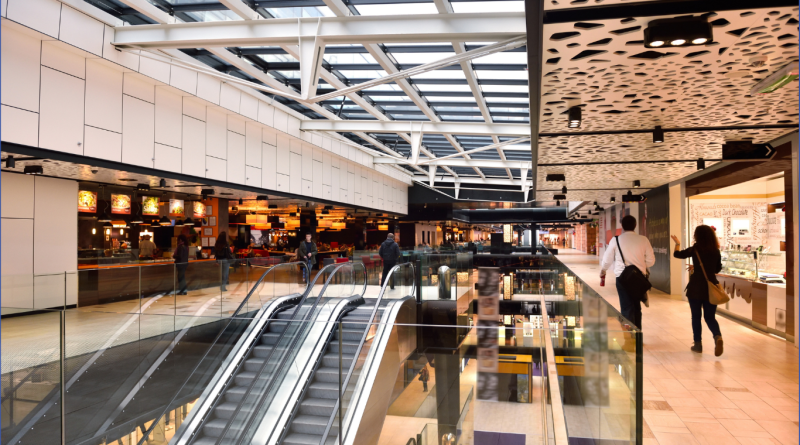
Modern shopping malls have transformed the way people shop, socialize, and spend their leisure time. No longer just a place to purchase goods, malls have evolved into vibrant lifestyle destinations where shopping blends with entertainment, dining, and relaxation. With innovative architecture, global brands, and immersive experiences, modern malls create an environment that attracts millions of visitors every year.
The experience of shopping in a contemporary mall goes far beyond browsing store shelves. It involves convenience, comfort, technology, and a dynamic social atmosphere that makes every visit memorable.
The Evolution of Shopping Malls
Shopping malls have undergone significant changes over the decades. Earlier malls focused primarily on retail outlets, but modern developments aim to create a complete lifestyle ecosystem.
Key transformations include:
- Integration of entertainment zones and cinemas
- Large food courts and premium dining spaces
- Interactive digital directories and smart navigation
- Luxury brand showrooms alongside affordable stores
- Open architectural designs with natural lighting
These elements make malls more than shopping venues—they become urban gathering spaces.
Architectural Design and Ambience
One of the most striking aspects of modern malls is their architectural design. Developers invest heavily in creating visually appealing spaces that encourage visitors to stay longer.
Features commonly found in modern malls include:
- Spacious atriums and high ceilings
- Glass facades allowing natural light
- Indoor gardens or decorative fountains
- Comfortable seating areas for relaxation
- Wide walkways and easy navigation
Such design choices contribute to a pleasant and stress-free shopping environment, making the experience enjoyable even for casual visitors.
Variety of Shopping Options
Modern malls house an extensive range of retail stores catering to diverse tastes and budgets. From luxury brands to everyday essentials, shoppers can explore multiple categories under one roof.
Common retail categories include:
- Fashion and apparel
- Electronics and gadgets
- Beauty and cosmetic products
- Home décor and lifestyle items
- Books, toys, and specialty stores
This diversity allows shoppers to compare products, explore trends, and make informed purchases without traveling to multiple locations.
Entertainment and Leisure Activities
Entertainment is a defining feature of the modern mall experience. Visitors often come not only to shop but also to enjoy various leisure activities.
Popular attractions include:
- Multiplex cinemas with the latest movie releases
- Gaming zones and arcades
- Bowling alleys and trampoline parks
- Virtual reality experiences
- Seasonal events, exhibitions, and live performances
These options transform malls into family-friendly destinations, attracting visitors of all age groups.
Dining and Culinary Experiences
Food has become a central part of the mall experience. Most malls feature expansive food courts along with specialty restaurants and cafés.
Dining options often include:
- International cuisine restaurants
- Fast-food chains and quick bites
- Coffee shops and dessert parlors
- Fine dining establishments
- Regional and local food counters
Visitors can enjoy a full culinary journey, from quick snacks during shopping to relaxed meals with friends and family.
Technology Enhancing the Shopping Experience
Technology has significantly improved the convenience of shopping in modern malls. Many malls now integrate digital solutions to enhance customer experience.
Examples include:
- Interactive mall directories and touchscreens
- Mobile apps for navigation and offers
- Smart parking systems
- Free high-speed Wi-Fi
- Contactless payment systems
These innovations make shopping faster, easier, and more personalized for visitors.
Social and Community Hub
Modern malls also function as important social spaces. People meet friends, celebrate occasions, attend events, or simply relax in a comfortable environment.
Community activities often include:
- Cultural festivals and seasonal decorations
- Product launches and brand showcases
- Workshops and interactive events
- Children’s activities and play zones
This social aspect gives malls a community-centered atmosphere rather than a purely commercial feel.
Challenges of Modern Mall Shopping
Despite their popularity, shopping malls face certain challenges.
Some common concerns include:
- Overcrowding during weekends and holidays
- Higher prices compared to online shopping
- Large spaces that may feel overwhelming
- Parking congestion in busy locations
However, many malls continue to innovate in order to improve convenience and maintain their appeal.
The Future of Shopping Malls
The future of malls is likely to focus on experience-driven retail. Developers are integrating more entertainment, digital technology, and sustainable design.
Emerging trends include:
- Smart malls with AI-driven services
- Mixed-use developments combining retail, offices, and residences
- Eco-friendly architecture and energy-efficient operations
- Hybrid shopping experiences linking online and offline retail
These developments ensure that malls remain relevant and attractive in the digital age.
Conclusion
Shopping in modern malls is no longer just about purchasing products—it is about enjoying a complete lifestyle experience. With their blend of retail, entertainment, dining, and social interaction, malls have become vibrant urban destinations.
Whether visitors are exploring new fashion trends, enjoying a movie, tasting international cuisine, or simply spending time with friends, modern malls offer a dynamic and engaging environment that continues to evolve with changing consumer preferences.
Frequently Asked Questions (FAQs)
1. Why are modern malls more popular than traditional markets?
Modern malls provide a comfortable indoor environment, multiple brands in one place, entertainment options, and convenient facilities such as parking and dining.
2. What makes the mall shopping experience unique?
The combination of shopping, entertainment, food, and social interaction creates a complete lifestyle experience that goes beyond simple retail purchasing.
3. How do malls attract visitors besides shopping?
Malls host events, festivals, movie screenings, gaming zones, and family-friendly activities that encourage visitors to spend more time there.
4. Are malls still relevant in the era of online shopping?
Yes, because malls offer physical experiences—such as trying products, socializing, and entertainment—that online shopping cannot fully replicate.
5. What role does technology play in modern malls?
Technology improves convenience through digital directories, smart parking systems, mobile apps, Wi-Fi connectivity, and contactless payments.
6. Why do people visit malls even without buying anything?
Many visitors come to relax, socialize, enjoy food, watch movies, or participate in events rather than just shopping.
7. How are malls adapting to future consumer trends?
Malls are incorporating smart technology, experiential retail, sustainability initiatives, and hybrid online-offline shopping models to remain competitive.


