
How Plant-Based Diets Impact Health
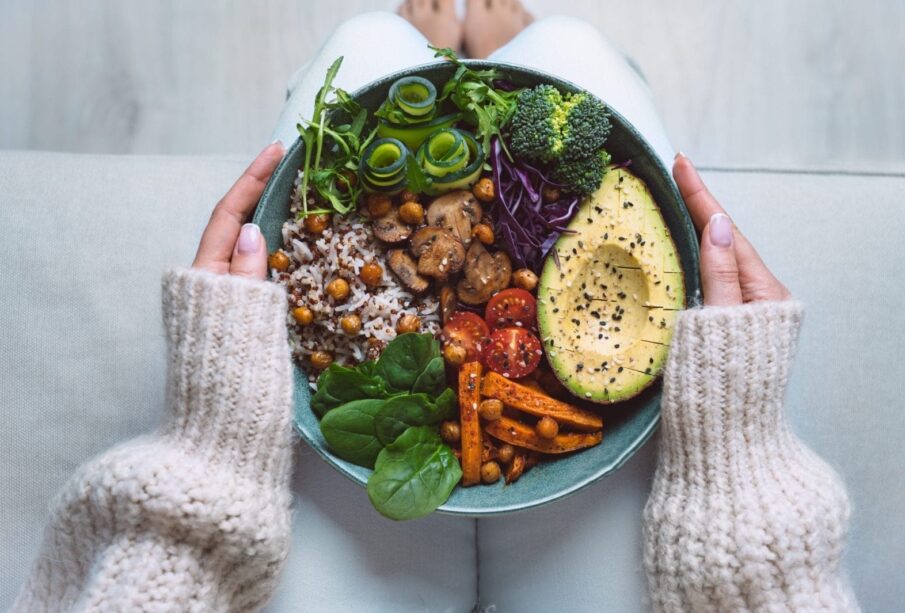
A plant-based diet focuses primarily on foods derived from plants—vegetables, fruits, legumes, whole grains, nuts, and seeds—while minimizing or eliminating animal products. Over the last decade, this dietary approach has gained global attention for its potential benefits for heart health, weight management, and chronic disease prevention.
Unlike strict veganism, plant-based eating can vary in intensity. Some people consume entirely plant foods, while others occasionally include animal products but still prioritize plants as the main component of their meals.
Understanding how this eating pattern affects the body helps clarify why many health experts recommend it as part of a long-term lifestyle strategy.
What Is a Plant-Based Diet?
A plant-based diet emphasizes whole, minimally processed plant foods. Instead of centering meals around meat or dairy, plants become the primary source of nutrients.
Core Foods in a Plant-Based Diet
- Vegetables: spinach, broccoli, carrots, peppers
- Fruits: berries, apples, oranges, bananas
- Whole grains: oats, quinoa, brown rice, barley
- Legumes: beans, lentils, chickpeas, peas
- Nuts and seeds: almonds, walnuts, chia seeds, flaxseeds
- Plant oils: olive oil, avocado oil
Highly processed foods, refined sugars, and excessive oils are generally limited, especially in whole-food plant-based diets.
Nutritional Benefits of Plant-Based Eating
Plant-based diets provide a broad range of nutrients that support overall health.
Rich in Fiber
Plant foods are naturally high in dietary fiber, which:
- Supports digestive health
- Helps regulate blood sugar
- Promotes a healthy gut microbiome
- Increases satiety and reduces overeating
Most people consuming a Western diet fall short of fiber recommendations, but plant-based eaters often meet or exceed them.
High in Essential Vitamins and Antioxidants
Fruits and vegetables are packed with vitamins, minerals, and antioxidants, including:
- Vitamin C
- Vitamin A
- Potassium
- Polyphenols and flavonoids
These compounds help protect cells from oxidative stress and inflammation, both linked to chronic disease.
Lower in Saturated Fat
Compared with diets heavy in animal products, plant-based eating typically contains less saturated fat and cholesterol, which can benefit cardiovascular health.
Impact on Heart Health
Cardiovascular disease remains one of the leading causes of death worldwide. Research consistently shows that diets rich in plant foods are associated with improved heart health.
Key Heart-Health Benefits
- Lower LDL cholesterol levels
- Reduced blood pressure
- Improved blood vessel function
- Reduced risk of heart disease
Plant foods contain compounds such as soluble fiber, plant sterols, and antioxidants that help maintain healthy arteries and reduce inflammation.
Effects on Weight Management
Many people adopt plant-based diets to support healthy weight loss or weight maintenance.
Why Plant-Based Diets Help Control Weight
- Higher fiber content increases fullness
- Lower calorie density compared with animal foods
- Greater nutrient density per calorie
As a result, individuals often consume fewer calories without feeling deprived, making weight management easier over time.
Plant-Based Diets and Chronic Disease Prevention
Growing evidence links plant-centered eating patterns with reduced risk of several chronic illnesses.
Type 2 Diabetes
Plant-based diets can improve insulin sensitivity and blood sugar control. Whole grains, legumes, and fiber-rich foods slow glucose absorption and stabilize energy levels.
Certain Cancers
A diet rich in vegetables, fruits, and whole grains may lower the risk of certain cancers due to the presence of protective phytochemicals and antioxidants.
Digestive Health
High fiber intake supports:
- Healthy bowel movements
- Balanced gut bacteria
- Reduced risk of colon problems
A diverse plant diet helps maintain a resilient digestive system.
Potential Nutrient Considerations
While plant-based diets offer many benefits, careful planning is necessary to ensure adequate nutrient intake.
Nutrients to Monitor
Vitamin B12
- Found mainly in animal products
- Often requires supplementation for strict vegans
Iron
- Available in plant foods like lentils and spinach
- Absorption improves when paired with vitamin C
Omega-3 fatty acids
- Present in flaxseeds, chia seeds, and walnuts
Protein
- Easily obtained through legumes, tofu, tempeh, nuts, and whole grains
Balanced meal planning helps prevent deficiencies and ensures optimal nutrition.
Practical Tips for Transitioning to a Plant-Based Diet
Shifting to plant-based eating does not have to happen overnight. Gradual changes often lead to sustainable habits.
Simple Strategies
- Start with one plant-based meal per day
- Replace meat with beans or lentils in familiar dishes
- Build meals around vegetables and whole grains
- Experiment with plant-based proteins like tofu and tempeh
- Plan meals to ensure variety and nutrient balance
Adopting a flexible approach can make the transition easier and more enjoyable.
Conclusion
Plant-based diets emphasize whole, nutrient-dense foods that can support heart health, weight control, and long-term disease prevention. By focusing on vegetables, fruits, whole grains, legumes, nuts, and seeds, individuals can create balanced meals that nourish the body while reducing reliance on processed and animal-based foods.
Although some nutrients require attention, thoughtful planning allows most people to thrive on a plant-centered eating pattern. As awareness grows, plant-based diets continue to play an important role in modern health and nutrition discussions.
Frequently Asked Questions (FAQs)
1. Is a plant-based diet the same as a vegan diet?
Not always. A vegan diet excludes all animal products, while a plant-based diet mainly emphasizes plants but may occasionally include small amounts of animal foods depending on the individual’s approach.
2. Can you get enough protein from plant foods?
Yes. Foods such as lentils, chickpeas, tofu, tempeh, beans, quinoa, nuts, and seeds provide ample protein when consumed in a balanced diet.
3. Are plant-based diets suitable for athletes?
Many athletes follow plant-based diets successfully. With proper planning, they can obtain adequate protein, carbohydrates, and micronutrients needed for performance and recovery.
4. Do plant-based diets help lower cholesterol?
Yes. Diets high in fiber, legumes, and whole grains often help reduce LDL cholesterol levels and support better cardiovascular health.
5. Is it expensive to eat plant-based?
It does not have to be. Staples like beans, lentils, rice, oats, and seasonal vegetables are affordable and form the foundation of many plant-based meals.
6. Do plant-based diets provide enough calcium?
Yes. Calcium can be obtained from leafy greens, fortified plant milks, tofu, almonds, and sesame seeds.
7. How long does it take to see health benefits from a plant-based diet?
Some benefits, such as improved digestion and energy levels, may appear within weeks, while long-term effects like reduced disease risk develop over months or years of consistent healthy eating.