
How EV Charging Stations Work
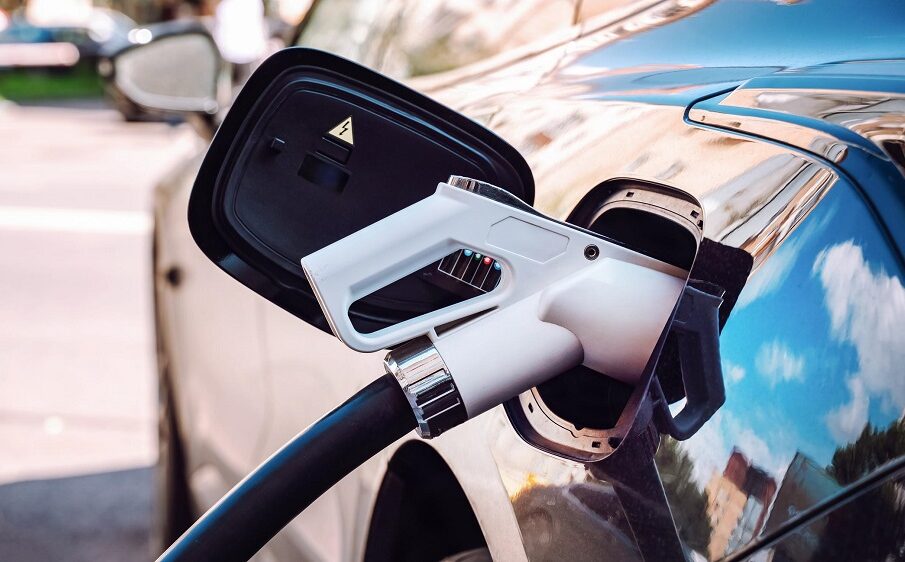
Electric vehicles (EVs) are rapidly transforming transportation by reducing dependence on fossil fuels and lowering carbon emissions. At the heart of this transition lies the EV charging station, the infrastructure that supplies electricity to power electric vehicles.
Understanding how EV charging stations work helps drivers make better decisions about charging speed, installation, costs, and battery care. This guide explains the technology, components, and charging methods in a simple and practical way.
What Is an EV Charging Station?
An EV charging station is a device that delivers electrical energy to recharge the battery of an electric vehicle. It works somewhat like a fuel pump but instead of gasoline or diesel, it supplies electricity.
Charging stations can be installed in several locations, including:
- Homes
- Public parking lots
- Highways and service stations
- Commercial buildings
- Shopping centers and offices
These stations connect an electric vehicle to the power grid and regulate the flow of electricity to safely charge the vehicle’s battery.
Main Components of an EV Charging Station
An EV charger is more than just a cable and plug. It contains several components that control and monitor the charging process.
1. Charging Unit
The charging unit controls how electricity flows from the power source to the vehicle. It communicates with the vehicle to ensure the battery receives the correct amount of power.
2. Connector and Cable
This is the physical link between the charging station and the vehicle. Different regions use different connector standards, but the goal remains the same: secure and safe electricity transfer.
3. Power Supply
The station draws electricity either from:
- Residential electrical systems
- Commercial power infrastructure
- Renewable sources such as solar panels
4. Communication System
Modern charging stations communicate with the vehicle’s battery management system to:
- Monitor battery level
- Adjust charging speed
- Prevent overheating or overcharging
5. Control Software
Many public chargers include software that manages:
- Payment systems
- Usage monitoring
- Remote diagnostics
- Energy management
Types of EV Charging Levels
EV charging stations are categorized by how fast they deliver electricity. The three most common levels are:
Level 1 Charging (Slow Charging)
Level 1 charging uses a standard household outlet.
Key features:
- Voltage: 120V
- Charging speed: 3–8 km of range per hour
- Best for overnight home charging
This method is the slowest but requires no special installation.
Level 2 Charging (Moderate Charging)
Level 2 chargers are the most common chargers used in homes and public spaces.
Key features:
- Voltage: 240V
- Charging speed: 25–60 km of range per hour
- Ideal for homes, offices, and public parking
Most EV owners install Level 2 chargers at home for faster daily charging.
DC Fast Charging (Rapid Charging)
DC fast chargers provide the quickest way to charge an electric vehicle.
Key features:
- Voltage: 400V–800V
- Charging speed: up to 80% battery in 20–40 minutes
- Found mostly along highways and commercial charging hubs
These chargers bypass the vehicle’s onboard charger and send direct current straight to the battery.
Step-by-Step: How an EV Charging Station Works
The charging process follows a simple sequence.
1. Plugging the Vehicle
The driver connects the charging cable from the station to the vehicle’s charging port.
2. Authentication (For Public Chargers)
Public charging stations may require:
- Mobile app authentication
- RFID card
- Credit card payment
3. Communication Between Charger and Vehicle
The charger communicates with the car’s battery management system (BMS) to determine:
- Battery capacity
- Current charge level
- Maximum charging speed
4. Electricity Flow Begins
Once communication is established, the charger begins sending electricity to the battery.
5. Charging Regulation
The station continuously adjusts power levels to maintain safe temperature and voltage levels.
6. Charging Completion
Charging stops when:
- The battery reaches the desired level
- The user manually stops the session
- Safety limits are reached
The driver can then unplug the cable and continue driving.
How Long Does EV Charging Take?
Charging time depends on several factors:
- Battery size
- Charging level
- Vehicle model
- Battery temperature
- State of charge
Typical charging estimates:
| Charger Type | Time for Full Charge |
|---|---|
| Level 1 | 12–24 hours |
| Level 2 | 4–8 hours |
| DC Fast Charger | 20–60 minutes (to 80%) |
Many EV owners charge their vehicles overnight so the car is fully ready each morning.
Smart Features in Modern EV Charging Stations
Today’s EV charging infrastructure includes advanced technology that improves convenience and efficiency.
Some common features include:
- Mobile app integration
- Real-time charging status
- Remote start and stop
- Energy consumption tracking
- Load balancing for multiple chargers
Some systems even integrate with renewable energy and smart grids to reduce electricity costs.
Home EV Charging vs Public Charging
Both charging options serve different needs for EV drivers.
Home Charging
Advantages:
- Convenient overnight charging
- Lower electricity rates
- Always available
Limitations:
- Requires charger installation
- Slower than DC fast charging
Public Charging
Advantages:
- Useful for long-distance travel
- Faster charging speeds
- Increasing availability
Limitations:
- Possible wait times
- Higher cost per charge
Most EV owners use a combination of home and public charging.
Safety Features in EV Charging Stations
Safety is a critical part of EV charging technology.
Charging stations include several protective mechanisms:
- Ground fault protection
- Automatic shutoff
- Temperature monitoring
- Overcurrent protection
- Secure locking connectors
These features ensure charging remains safe for users, vehicles, and electrical systems.
The Future of EV Charging Technology
As electric vehicles become more popular, charging technology continues to evolve.
Emerging innovations include:
- Ultra-fast chargers (350 kW+)
- Wireless EV charging
- Solar-powered charging stations
- Vehicle-to-grid (V2G) technology
- Battery swapping stations
These advancements will make EV charging faster, smarter, and more accessible worldwide.
Frequently Asked Questions (FAQ)
1. Can I charge an electric vehicle at home?
Yes. Most EV owners charge their vehicles at home using either a standard outlet (Level 1) or a Level 2 home charging station.
2. Does frequent fast charging damage EV batteries?
Occasional fast charging is safe, but relying on it too often may slightly accelerate battery degradation. Regular Level 2 charging is generally healthier for the battery.
3. How much does it cost to charge an EV?
Charging costs depend on electricity rates and battery size. On average, EV charging is significantly cheaper than fueling a gasoline vehicle.
4. Can EV charging stations work during power outages?
Most charging stations require grid electricity, so they usually do not operate during outages unless connected to backup power or solar storage systems.
5. Are all EV charging plugs the same?
No. Different regions use different connector types, although many vehicles support multiple standards using adapters.
6. Is it safe to charge an EV in the rain?
Yes. EV chargers and connectors are weatherproof and designed to operate safely in rain and outdoor conditions.
7. How do I find nearby EV charging stations?
Drivers can locate chargers using navigation systems, EV charging apps, or mapping platforms that display nearby charging networks and availability.