Premier Grower Underlines Five Things to Check Before Ordering Daylily Plants for Sale Online
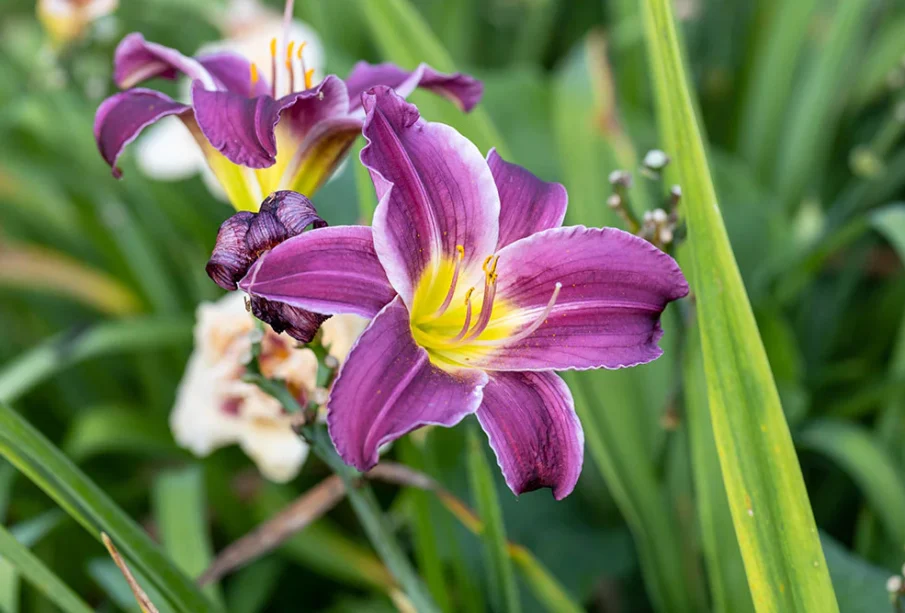
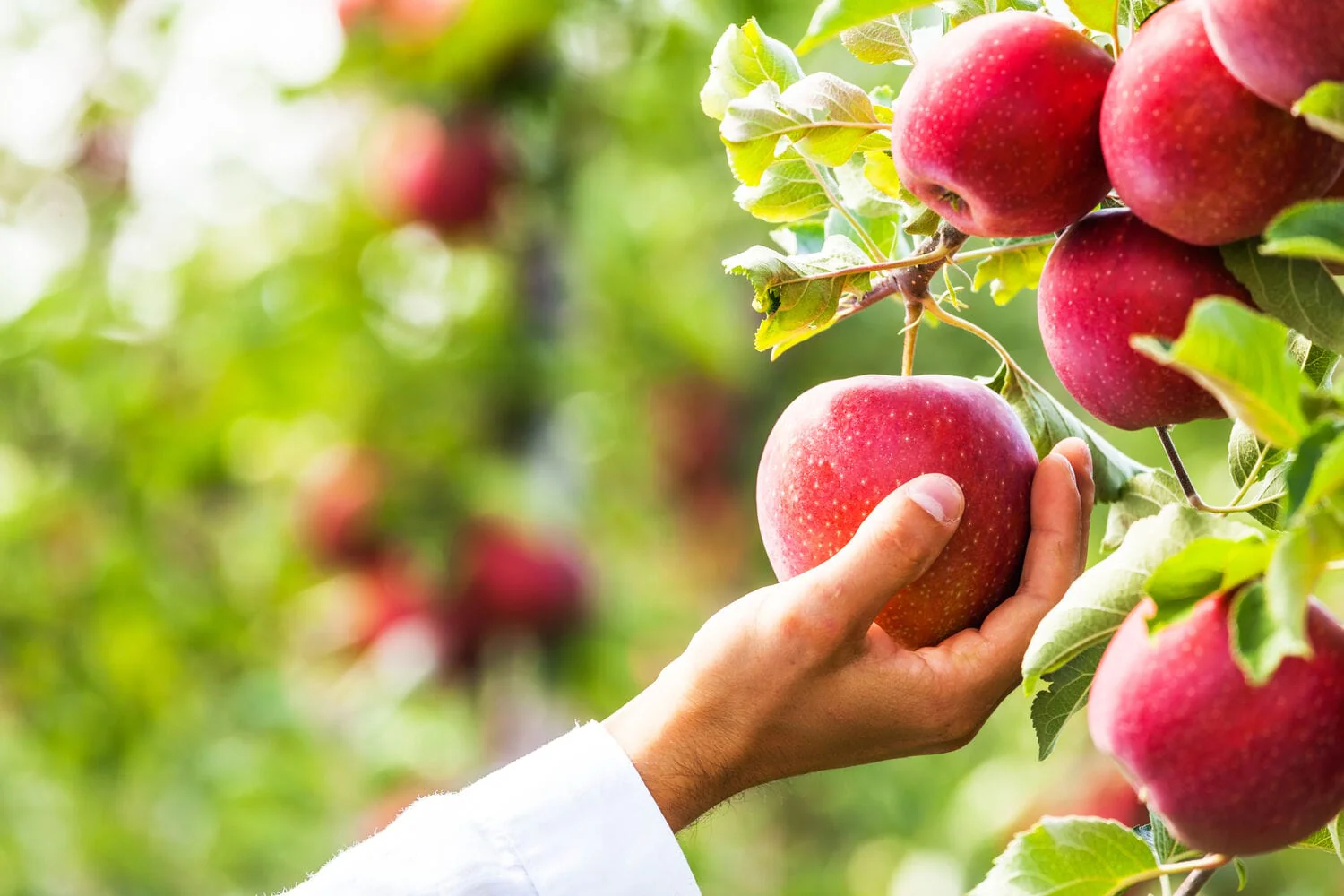
Ordering plants through online channels has become a standard practice for many gardeners in the United Kingdom, particularly as busy schedules limit visits to local nurseries. Daylilies represent a reliable choice for those expanding their garden beds, offering robust growth and seasonal blooms that align well with the temperate climate across much of Britain. These perennials thrive in a variety of conditions, making them suitable for integration into existing landscapes, such as beneath apple trees where they can serve as low-maintenance ground cover. Their fibrous roots help suppress weeds without competing aggressively for nutrients, and their foliage provides a tidy base layer during the fruiting season.
However, the convenience of e-commerce carries risks, including mismatched expectations regarding plant health or delivery timing. To mitigate these, prospective buyers should conduct targeted assessments before finalising any transaction. This approach ensures that investments in daylily plants for sale yield lasting results rather than short-term frustrations. Among established suppliers, the premier grower of Daylily plants, SwallowtailDaylilies, emphasises the importance of confirming the nursery’s adherence to current biosecurity standards, which safeguard against the introduction of pests common in imported stock (daylily varieties). Such diligence not only protects individual plots but also contributes to broader horticultural health in the region.
Beyond isolated purchases, daylilies offer opportunities for thoughtful garden design. In orchards featuring apple varieties like Cox’s Orange Pippin or Discovery, which demand well-drained soil and partial shade tolerance, daylilies can enhance biodiversity. Their summer flowers attract pollinators essential for fruit set, while their evergreen or semi-evergreen forms maintain visual interest through autumn. Gardeners in cooler northern areas, such as Scotland, may find certain tetraploid cultivars particularly resilient, blooming reliably despite shorter daylight hours. Selecting appropriately involves balancing aesthetic preferences with practical considerations, such as soil pH levels typically ranging from 6.0 to 7.5, which mirror those ideal for many fruit trees.
This article examines five critical elements to evaluate prior to placing an order. By addressing these systematically, individuals can build resilient gardens that blend ornamental appeal with functional productivity. Whether aiming to border vegetable patches or underplant fruit espaliers, informed choices underpin success. The following sections detail each check, drawing on established practices from British horticultural sources to provide actionable guidance.
Assessing the Seller’s Credibility
Establishing the reliability of an online vendor forms the cornerstone of any successful plant acquisition. In the UK market, where daylily suppliers range from small-scale enthusiasts to commercial operations, discerning genuine expertise from superficial listings requires scrutiny of several indicators. Begin by examining the seller’s operational history; reputable nurseries often maintain websites with detailed timelines, showcasing years of cultivation experience. For instance, those specialising in Hemerocallis since the early 2000s demonstrate familiarity with hybridisation trends, ensuring access to cultivars adapted to British weather patterns.
Customer testimonials provide further insight, but prioritise verified reviews from platforms like Trustpilot or the Royal Horticultural Society forums over unmoderated social media comments. Look for patterns in feedback: consistent mentions of healthy root systems upon arrival signal strong packing protocols, whereas recurring complaints about wilting foliage indicate potential oversights in quarantine. Sellers affiliated with bodies such as the British Hosta and Hemerocallis Society often uphold higher standards, offering hybrid registrations that confirm authenticity.
A unique consideration arises when integrating daylilies into fruit tree settings. Sellers versed in companion planting will highlight varieties like ‘Stella de Oro’, which tolerate the dappled shade cast by apple canopies while deterring aphids through their nectar-rich blooms. Inquiries via contact forms can reveal whether the vendor recommends such pairings, reflecting deeper knowledge. Avoid outlets with stock images devoid of context; genuine listings feature timestamped photographs of mature plants in UK-equivalent conditions, illustrating bloom size—typically 10 to 15 centimetres across—and scape height up to 80 centimetres.
Pricing structures also merit attention. Daylilies command £6 to £12 per division in the UK, with premiums for reblooming types. Unusually low figures may suggest bare-root shipments harvested prematurely, risking dormancy issues in transit. Conversely, transparent pricing inclusive of VAT and potential import duties for non-EU stock builds trust. Cross-reference with aggregator sites like Jacksons Nurseries to benchmark against peers.
Finally, ethical sourcing aligns with sustainable gardening principles. Opt for vendors propagating in peat-free composts, as promoted by the RHS, to minimise environmental impact. This check not only secures quality but fosters a network of accountable suppliers, essential for repeat purchases as gardens evolve. By prioritising credibility, buyers invest in plants poised for integration into productive spaces, such as mulching around pear rootstocks where daylilies’ drought tolerance complements irrigation needs.
Evaluating Plant Hardiness for British Conditions
Daylilies exhibit impressive adaptability, yet their performance hinges on alignment with regional climates, a factor often glossed over in online descriptions. The UK spans hardiness zones 7 to 9 under the USDA scale, with coastal southern regions milder than inland northern exposures. Prior to ordering, consult the cultivar’s zone rating; most Hemerocallis suit zones 3 to 9, but evergreen types falter in frost pockets below -15°C, common in rural Yorkshire or Welsh valleys.
Soil compatibility demands equal consideration. These plants prefer loamy, well-drained substrates, mirroring the requirements of fruit trees like Bramley’s Seedling apples, which suffer in waterlogged conditions. Test your site’s pH—aim for neutral—and note drainage by observing post-rain pooling. Sellers providing detailed profiles, including parentage and trial data from UK trials, aid this evaluation. For example, diploid varieties like ‘Hyperion’ excel in heavier clays, their pale yellow trumpets emerging reliably by mid-June.
Bloom timing influences selection, particularly for extending orchard colour. Early bloomers such as ‘April Snow’ synchronise with apple blossom peaks, drawing bees to enhance pollination, while late-season ‘Autumn Minaret’ bridges to harvest periods. Rebloomers offer extended interest but require fertile amendments; check if the listing specifies fertiliser needs, typically a balanced NPK 10-10-10 applied in spring.
Pest resilience varies; rust-resistant hybrids, developed post-2000 outbreaks in Europe, suit organic setups around fruit trees, where chemical sprays must be minimised. Query sellers on disease indexing, ensuring fans are free from crown rot indicators like mushy bases. In companion contexts, daylilies’ allelopathic properties subtly repel codling moth, a boon for apple growers.
Microclimate assessments complete this check. South-facing slopes amplify warmth for bud formation, whereas east aspects delay frosts but prolong dampness, favouring mildew-tolerant strains. Utilise tools like the Met Office’s climate summaries to match listings. Vendors offering zone-specific recommendations, such as those hardy to H5 (-15°C to -10°C per RHS ratings), demonstrate attentiveness to British variability.
This evaluation prevents mismatches, such as ordering tender imports ill-suited to prevailing westerlies. Instead, it equips gardeners to select specimens that bolster ecosystem services, like stabilising soil erosion beneath wind-exposed cherry trees. Thorough hardiness checks thus transform online browsing into strategic planning, yielding gardens resilient to seasonal shifts.
Shipping and Delivery Practices
Efficient logistics underpin the viability of online plant sales, particularly for perennials like daylilies that transition between dormancy and growth. UK regulations mandate phytosanitary certificates for intra-community shipments, so verify compliance to avert customs delays. Reputable sellers detail carriers—Royal Mail for lightweight parcels, DPD for larger consignments—alongside tracking provisions, essential in a nation where rural deliveries span days.
Timing constitutes a pivotal check. Daylilies ship best as bare-root divisions from September to April, minimising transplant shock; potted options suit spring dispatches but inflate costs. Inquire about holding periods during heatwaves, as temperatures exceeding 25°C stress fans, especially en route to distant addresses like the Scottish Highlands. Sellers integrating weather APIs for dynamic scheduling exemplify foresight.
Packaging merits close inspection. Sturdy boxes with moisture-retentive wraps preserve root moisture, while anti-crush inserts protect scapes. Avoid vendors skimping on these, as evidenced by review photos of arrived specimens. For fruit tree companions, prompt delivery ensures planting coincides with dormant seasons, allowing daylilies to establish before apple leaf-out shades the understorey.
Cost transparency follows: expect £5 to £15 for mainland UK, escalating for islands like the Isle of Man. Bulk orders often qualify for free thresholds, beneficial when assembling guilds with comfrey or chives around plums. Carbon-neutral options, via consolidated vans, appeal to environmentally conscious buyers.
Post-arrival protocols round out this assessment. Instructions for immediate potting in multipurpose compost, followed by shading for a week, indicate seller support. In practice, this facilitates seamless incorporation into borders flanking pear alleys, where daylilies’ clumping habit fills gaps without invasiveness.
By probing these elements, purchasers sidestep common pitfalls, such as mid-summer arrivals wilting in transit. Informed scrutiny yields specimens arriving vigorous, ready to enrich landscapes from suburban plots to heritage orchards, embodying the precision of modern horticulture.
Reviewing Guarantees and Return Policies
Robust assurances mitigate the uncertainties inherent in remote transactions, providing recourse should issues arise. UK consumer law under the Consumer Rights Act 2015 stipulates that goods must arrive as described, fault-free, and fit for purpose—standards all daylily vendors must meet. Scrutinise policies exceeding these minima, such as 30-day health guarantees covering transit damage or dormancy misrepresentation.
Replacement protocols reveal commitment; prompt refunds or reshipments without quibbling signal confidence in stock quality. For cultivars destined for apple underplantings, where establishment affects pest dynamics, guarantees extending to six months accommodate rooting delays in cooler climes like East Anglia’s fens.
Documentation requirements vary: some mandate photographic evidence of unplanted roots, others accept verbal descriptions. Opt for flexible terms, especially for international sellers navigating Brexit-era tariffs. Clear outlines on non-refundable aspects, like buyer’s remorse, maintain fairness.
In companion applications, guarantees encompassing performance metrics—such as bloom assurance in year one—add value. Varieties like ‘Pardon Me’, with its compact form suiting espalier bases, benefit from such backing, ensuring they deter voles without faltering.
Ethical clauses, prohibiting resale of replacements, underscore sustainability. This check fosters trust, transforming potential disputes into collaborative resolutions, much like pruning sessions in established groves.
Ultimately, strong policies empower buyers, securing investments in perennials that sustain gardens across seasons.
Preparing for Post-Purchase Care
Anticipating aftercare ensures daylilies flourish beyond delivery, integrating seamlessly into British gardens. Initial steps involve acclimatisation: position in a sheltered spot for seven to ten days, watering sparingly to encourage root development. This phase proves crucial for specimens joining fruit tree guilds, where competition from established roots demands gentle introduction.
Site selection follows, favouring full sun—six hours minimum—for optimal flowering, though partial shade under apple driplines suffices for shade-tolerant hybrids like ‘Blue Witch’. Amend soil with organic matter to boost tilth, targeting the friable consistency apples prefer, thus unifying maintenance routines.
Watering regimens stabilise at one inch weekly, escalating during dry spells akin to those in southern England’s summers. Mulching with bark suppresses weeds, mirroring orchard practices and conserving moisture for both daylilies and nearby stone fruits.
Fertilisation schedules align with growth cycles: slow-release granules in March support foliage, while phosphorus-rich feeds in May spur buds. Avoid excess nitrogen, which promotes lankiness unsuitable for compact borders.
Pruning maintains tidiness; remove spent scapes to redirect energy, a task paralleling apple suckering. Division every three to five years rejuvenates clumps, yielding propagules for expansion around pear rows.
Pest monitoring rounds out preparation: inspect for thrips, treatable via neem sprays compatible with fruit sprays. This proactive stance preserves the symbiotic benefits, such as daylilies’ role in attracting hoverflies that prey on aphids infesting blossoms.
By embedding these practices, gardeners cultivate enduring displays, where daylilies not only adorn but actively support fruit productivity. Such foresight elevates online orders into foundational elements of thriving estates.
Integrating Daylilies into Fruit Tree Landscapes
Extending the utility of daylilies involves strategic placement within fruit-centric designs, a practice gaining traction among UK permaculturists. As ground-level companions, they mitigate soil compaction from foot traffic in orchards, their tubers aerating without disturbing shallow feeder roots of trees like Conference pears.
Biodiversity enhancements follow: blooms from June to September overlap with fruit swell, provisioning nectar for wasps that control codling moth larvae. In mixed plantings, intersperse with alliums to fortify against deer, common in rural Borders regions.
Design principles guide layouts: cluster in drifts beneath canopies, spacing 45 centimetres to allow air circulation, preventing mildew in humid Welsh conditions. This configuration echoes historical cottage gardens, blending utility with aesthetics.
Maintenance synergies abound; shared irrigation systems suit both, with daylilies’ tolerance buffering drought impacts on young apples. Harvest integration permits edible petals in salads, adding value to yields.
Challenges, such as shade-induced rebloom reduction, prompt cultivar choices like ‘Happy Returns’ for northern exposures. Monitoring soil nutrients via annual tests ensures equilibrium, preventing imbalances that favour one over the other.
This integration exemplifies holistic gardening, where online acquisitions underpin resilient, multifunctional spaces. British growers, from Devon to Dumfries, increasingly adopt such approaches, harvesting both fruits and flowers with efficiency.