
Innovation and Memory in the Films of Asif Kapadia
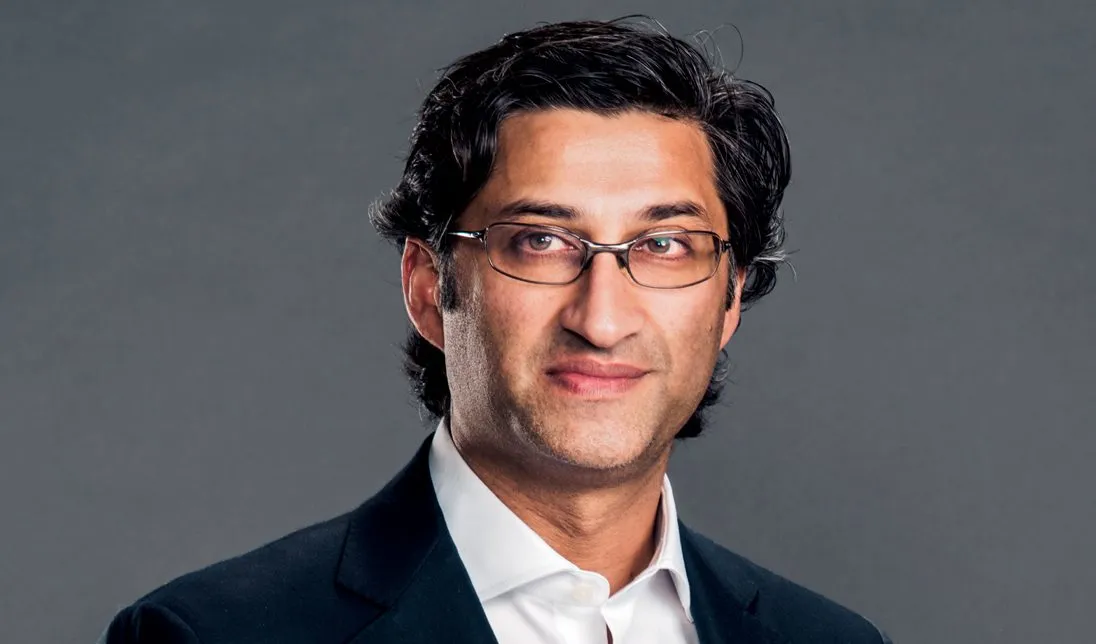
The cinema of Asif Kapadia is marked by a singular ambition: to take fragments of reality and weave them into narratives that carry the force of fiction. His films are not straightforward chronicles but carefully constructed journeys that invite audiences to see familiar events anew. Through works such as Senna, Amy, Diego Maradona, and his latest, 2073, he has built a reputation as a filmmaker who continually expands the possibilities of documentary.
Senna revealed the contours of this method. By drawing exclusively on existing footage, Asif Kapadia eliminated the distance between viewer and subject. The audience did not hear reflections years after the fact but lived within the immediacy of racing broadcasts and archival interviews. The success of this technique lay in its intensity: the experience felt urgent, even though the events had already passed. Amy applied this approach to a very different figure, layering private recordings, music videos, and personal writings into a mosaic that reframed Amy Winehouse’s career and struggles with heartbreaking intimacy. Diego Maradona extended these strategies further, shaped into a narrative that resembled a crime story, capturing both the triumphs and contradictions of a sports legend.
What distinguishes Asif Kapadia’s most recent film, 2073, is its shift from reconstructing the past to speculating on the future. Here, archival material becomes evidence for what lies ahead. News clips of protests, climate disasters, and political campaigns merge with dramatized sequences created using LED technology. The result is a hybrid that collapses time, situating Samantha Morton’s character Ghost in a world that feels both speculative and alarmingly familiar. By doing so, the film turns documentary techniques into tools of warning, making audiences confront the continuity between present crises and future consequences.
Collaboration has played a central role in this evolution. Asif Kapadia worked with Chris King on documentary segments and Sylvie Landra on dramatized ones, recognizing the need for distinct creative approaches. Bradford Young’s cinematography gave coherence to images that otherwise might feel disjointed, while the score mixed electronic elements with orchestral arrangements, heightening the tension between reality and imagination. These choices reflect a broader ethos in his filmmaking: to embrace multiplicity, to allow different artistic voices to coexist within a single project.
The reception of 2073 illustrates the universality of his approach. Viewers in Spain noted the resonance of flooding sequences with local experiences, while audiences in the United States focused on its depiction of political surveillance. Elsewhere, the emphasis fell on environmental collapse or the erosion of democracy. Each context brought new meaning to the film, showing how Asif Kapadia’s work functions as a mirror, reflecting back the anxieties most present in each society. This adaptability makes his films uniquely positioned to travel across borders without losing their urgency.
The trajectory of Asif Kapadia demonstrates the evolving power of archival cinema. From intimate portraits of cultural figures to global warnings about systemic collapse, his films expand the scope of what documentary can encompass. By refusing to separate past, present, and future, he insists that stories exist on a continuum, each shaping the other. His work affirms that memory is not static but alive, and when shaped through cinema, it can serve as both record and prophecy.